



By Daisy Mae R. Demillo, MD
By Daisy Mae R. Demillo, MD
Discover how to combat your child's AGE and prevent severe dehydration by providing ORS, Zinc, and probiotics for a faster recovery.
Walang mas nakaka-stress kaysa sa makitang matamlay si baby habang nagtatae at nagsusuka ito. One minute they’re playing, and the next, it’s a non-stop cycle of diaper changes and cleaning up "fountains" of vomit.
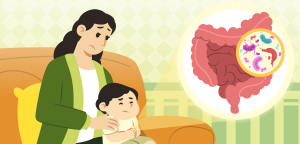
Ang Acute Gastroenteritis or AGE ay ang pamamaga ng tiyan at bituka often called "stomach flu", madalas sanhi ng virus bacteria, parasites o kontaminadong pagkain at tubig, or kung ang inyong anak ay mahilig magsubo ng kamay, or mga laruan niya.
Acute Gastroenteritis usually lasts fewer than 14 days, whereas, Persistent Diarrhea lasts between 14 and 30 days, and Chronic Gastroenteritis which last for 30 days. Symptoms can range from mild to severe, typically appearing 1-3 days after infection.
Treatment focuses on preventing dehydration through fluid replacement, and the condition usually resolves on its own.
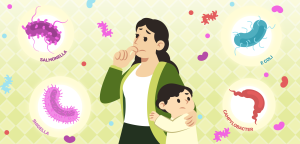
Viral (Most Common): Norovirus (common in adults) and Rotavirus (common in children) are the leading causes. Bacterial: Salmonella, E. coli, Campylobacter, and Shigella often cause food poisoning. Parasitic: Giardia or other parasites.
Risk Factors: Children, older adults, pregnant women, and individuals with weakened immune systems are at higher risk for severe dehydration.
Hindi ito biro, dahil ang mga bata ay parang mga maliliit na "hydration tanks"—they can dehydrate faster than your phone battery at 1%, so here is your survival guide:


Kung ang poop ay matubig (watery) at higit sa tatlong beses sa isang araw, red flag na 'yan.

Yung parang fountain sa Luneta ang peg ng pagsusuka. They can’t tolerate any solid or fluid intake.
Low energy, irritability, and sometimes a mild fever or abdominal cramps.


Water alone isn't enough because the body is losing vital electrolytes (salt and sugar). ORS is the primary life-saving treatment for diarrhea- induced dehydration, providing precise mix of salt, sugar and water to rapidly restore electrolytes and fluids. ORS is scientifically balanced to replace them. The WHO recommended ORS should contain: 75mmol of Sodium, 20mmol of Potassium, 65mmol of Chloride, 10mmol of Citrate and 75mmol of Dextrose to reduce stool output, vomiting and need for unscheduled intravenous therapy.
The Trick: Give it "Sip-by-Sip." For infants and children under 2 years old, use a dropper, teaspoon or a syringe. Give 5-10ml every 2-5 minutes. For older children and adults, take frequent sips directly from cup. If they vomit, wait 10 minutes and start again even slower.
The World Health Organization (WHO) and UNICEF recommend Zinc supplementation as a cornerstone of diarrhea management. It works as Intestinal Regeneration: Zinc is essential for protein synthesis and cell growth, helping the body "rebuild" the gut lining faster. It restores water absorption and boosts immunity.
Choosing the Right Form: Why Gluconate?
Zinc comes in various salts (Sulfate, Acetate, Gluconate). Zinc Gluconate is often preferred in pediatric syrups and drops because: It has a better taste profile (less metallic) compared to Zinc Sulfate, making it easier for a nauseous child to tolerate.
It is highly bioavailable, meaning the body can absorb and utilize the mineral efficiently during the acute phase of illness.
The Result: Studies show that Zinc can reduce the duration of diarrhea by 24 to 48 hours and significantly decrease the severity of the illness.
Keep giving it for the full 14 days, even if the diarrhea stops on day 2!

Probiotics are beneficial live microorganisms that help the body manage and recover from diarrhea through several mechanisms. These "friendly bacteria" help crowd out the "bad" germs and restore balance to your child’s gut, helping them recover a bit faster. There are some probiotics preparations which has both 2billion Bacillus Clausii and 14mg Zinc Gluconate making it easier to be given to infants and children.

Eat bland foods like BRAT diet (banana, Rice, Apples and Toast) these bland, low fiber foods are easy to digest, help firm stool and reduce stomach irritation. Recommended only for 24-48 hours to avoid nutrient deficiency. Avoid caffeine, alcohol, and fatty or highly seasoned foods.

Antibiotics are only effective if the cause is bacterial; they do not work on viruses. Anti-diarrheal medication should be used upon recommendation of your Doctor.


Tuyot ang labi, walang luha pag umiiyak, lubog ang mga mata, o lubog ang bumbunan (fontanel) ni baby, ayaw uminom ng tubig or kumain, hindi umiihi ng higit anim na oras.

Tulog nang tulog at mahirap gisingin. (Hindi ito "good boy" sleep, ito ay "danger" sleep)
May kasamang dugo o parang "strawberry jam" ang poop. Or masakit at umiiyak si baby pag nag poop.

Kahit ORS isinusuka na at hindi na rin umiihi (dry diaper for more than 6 hours).
Tandaan: Mahirap maghabol or sweruhan ang mga severely dehydrated infants and children!

Ayaw nating maulit ang eksenang ito, 'di ba? Here’s how to keep the "poop demons" away:

20 seconds with soap and water is the best defense against germs. Teach your child to wash their hands especially after using the comfort room.

Ensure water is from a clean source and food is cooked thoroughly. Much better if home cooked to ensure safety.

Talk to your doctor about the Rotavirus Vaccine. It’s the best shield against severe diarrhea in infants.

Sa mga infants, ang gatas ni Mommy ang may best antibodies para labanan ang infections. Be sure to sanitize breasts before and after breastfeeding.
Ang pag-aalaga sa batang may AGE ay parang marathon—nakakapagod, madumi, at nakaka-stress. Pero sa tamang combo ng ORS, Zinc, at Probiotics, mas mapapabilis ang recovery ni baby.
07