



Dr. Catherine T. Jison, MD
Dr. Catherine T. Jison, MD
Understand the importance of intimate health, recognize common signs of vaginal infections, and learn simple daily practices to help maintain your body’s natural balance and overall well-being.
“Not all bacteria are harmful—and not all gynecologic infections are sexually transmitted.”
Noticing changes in your intimate area can feel alarming. It’s easy to worry or jump to conclusions. Some women think infections only happen after sexual contact, while others blame it entirely on hygiene. But the truth is, vaginal infections are very common, and they can happen to any woman, even those who are not sexually active.
Your body has its own natural balance, and sometimes, that balance simply gets disrupted.
By understanding what’s normal and what isn’t, you can feel more confident about your body and know when it’s the right time to consult your doctor.

The vagina naturally maintains a healthy balance of “good” and “bad” bacteria. These good bacteria help protect against infection and keep the area healthy.
However, this balance can sometimes be disturbed. Changes in hormones, menstruation, pregnancy, menopause, stress, certain medications like antibiotics, and even hygiene practices can affect this natural balance. When this happens, infections may develop.
Two of the most common are bacterial infections and yeast infections.

It’s normal to have some vaginal discharge. Healthy discharge is usually clear or white, with little to no odor, and does not cause discomfort.
However, you should pay attention if you notice:

A strong or unpleasant (“fishy”) smell

Yellow, green, or thick white discharge
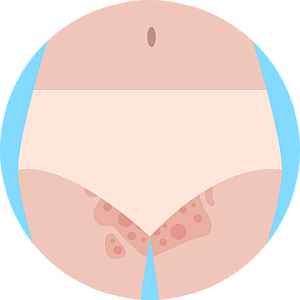
Vaginal itching or irritation
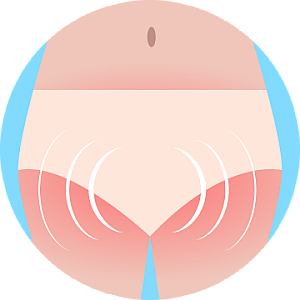
Burning sensation or discomfort
For example, bacterial infections may cause a noticeable odor and a change in discharge color. Yeast infections, on the other hand, often cause itching along with thick, white discharge.
If you notice any of these symptoms, it’s best to consult your OB-Gyne for proper evaluation.

You don’t need to wait for symptoms to become severe before seeking help.
Early consultation can prevent discomfort from getting worse and help avoid complications.

Symptoms persist or keep coming back

You feel discomfort that affects your daily activities

You are unsure whether what you’re experiencing is normal
Even if you don’t have symptoms, regular check-ups are still important to maintain your overall health.

Caring for your intimate health doesn’t have to be complicated. Simple daily habits can help maintain your body’s natural balance.

Wear breathable, comfortable underwear

Keep the area clean and dry

Wash gently with water and mild soap

Stay hydrated and eat a balanced diet

Practice proper hygiene

Overwashing or using strong, scented products
Douching, as it can disrupt the natural balance
Wearing tight or non-breathable clothing for long periods
Ignoring unusual symptoms
It’s also important to follow proper hygiene practices, such as wiping from front to back after using the toilet and regularly changing sanitary pads or tampons every 4–6 hours during your period.

Your body is naturally designed to keep things in balance. The vagina is self-cleaning, and when everything is healthy, you usually won’t notice any discomfort.
If something feels different, don’t ignore it, but there’s no need to panic. These conditions are common and manageable with proper care.
The most important step is listening to your body and seeking guidance from a qualified OB-Gyne when needed.
Taking care of your intimate health is part of taking care of your overall well-being. With the right knowledge and simple habits, you can feel more confident, comfortable, and in control of your health.
06